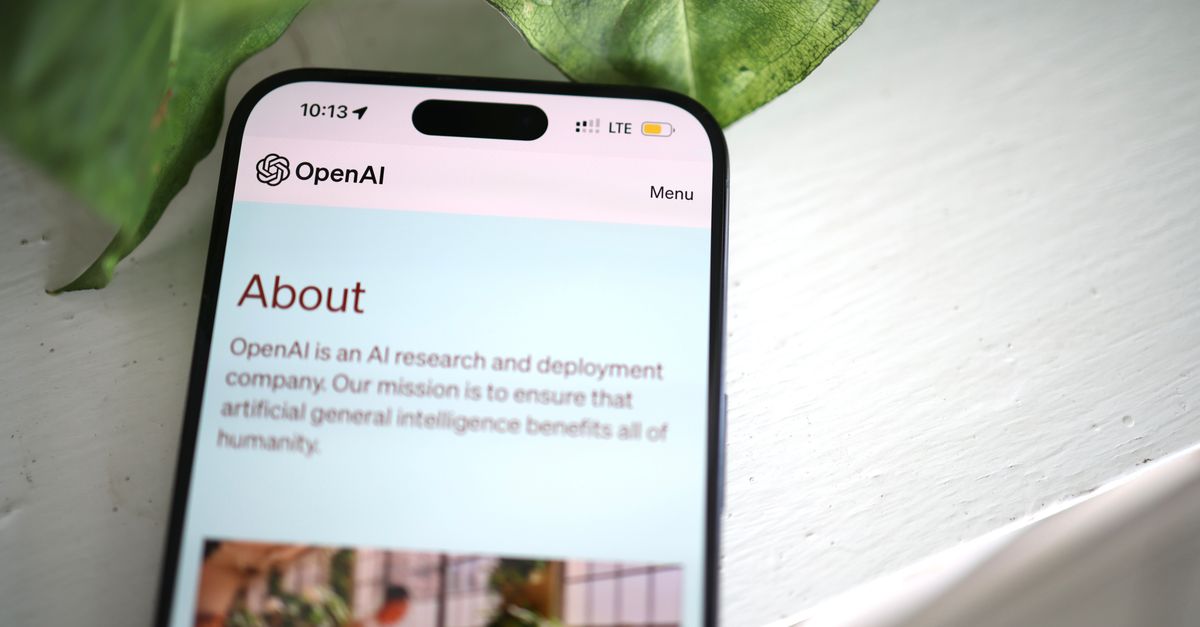
Replit CEO Amjad Masad announced on October 16, 2026, that the AI coding platform is no longer working with Anthropic, citing reasons including cost, partnership quality, and performance. The announcement came during an onstage appearance at TechCrunch Disrupt, where Masad explained the company’s decision to move away from the AI lab that had previously powered its platform.
The shift follows Replit’s partnership announcement with OpenAI in August 2026, though the company had not previously indicated it was ending its relationship with Anthropic. Masad defended the decision by stating that ChatGPT now performs better, and that the company’s internal benchmarks consistently showed OpenAI’s Sol and Astra models outperforming alternatives when building applications from scratch. “It was a decision based on both cost, partnership, and performance,” Masad explained, adding that OpenAI felt like a better partner moving forward.
However, Masad’s claims were contradicted by insiders familiar with the partnership, with one source stating that the relationship with Anthropic was still in place. Evidence supporting continued use of Anthropic’s technology appeared across Replit’s digital properties as recently as late September 2026. The company’s website, blog posts, and social media activity all indicated active use of Anthropic’s Claude models, including Claude Fable 5, Claude Fable 5.1, and the flagship Opus 5.5 model in Replit Agent’s production environment.
Under its partnership with Anthropic, Replit had used Claude models to power its cloud-based software development platform, which allows users to develop and deploy applications directly from their browser. The partnership was credited with helping the company grow its revenue significantly, with one report suggesting revenue growth of 10 times during the collaboration period.
Beyond discussing the Anthropic relationship, Masad shared insights into Replit’s evolving business model during his Disrupt appearance. The company has seen substantial growth in its enterprise segment, with business customers now representing a much larger portion of revenue. Enterprise contracts grew from just 2 percent of revenue last year to 15 percent this year, while more than 50 percent of Replit’s total revenue now comes from business-to-business customers.
Masad also addressed the broader topic of AI safety, emphasizing the need for proper infrastructure to support AI agents. He drew an analogy to human work environments, explaining that just as people need offices, food, air conditioning, and computers to work effectively, AI agents require their own habitat. According to Masad, this habitat must include good orchestration, error recovery, safety and security measures, sandboxing, networking capabilities, and proper identity and authorization systems. “Once you figure all of that out, then you can deploy AI safely,” he concluded.