Tesla is expanding its autonomous robotaxi service to San Antonio, Texas, marking another step in the electric vehicle maker’s push to compete in the ride-hailing market. The company announced that robotaxis will become available in San Antonio starting at 5 a.m. local time on Monday, adding to its growing network of cities where the service operates.
The expansion comes more than a year after Tesla first launched its robotaxi service in Austin in June 2025. That initial launch represented a significant milestone for the company, which had been promising autonomous vehicle technology for years. The Austin service initially operated with human safety monitors on board to oversee the vehicles.
In January 2026, Tesla took a major step forward by removing safety monitors from its robotaxis in Austin, transitioning to a fully driverless operation. Since then, the company has been steadily expanding both within existing markets and into new cities across Texas and Florida. Tesla now operates robotaxi services in Miami, Orlando, Dallas, Fort Worth, and Houston, in addition to Austin.
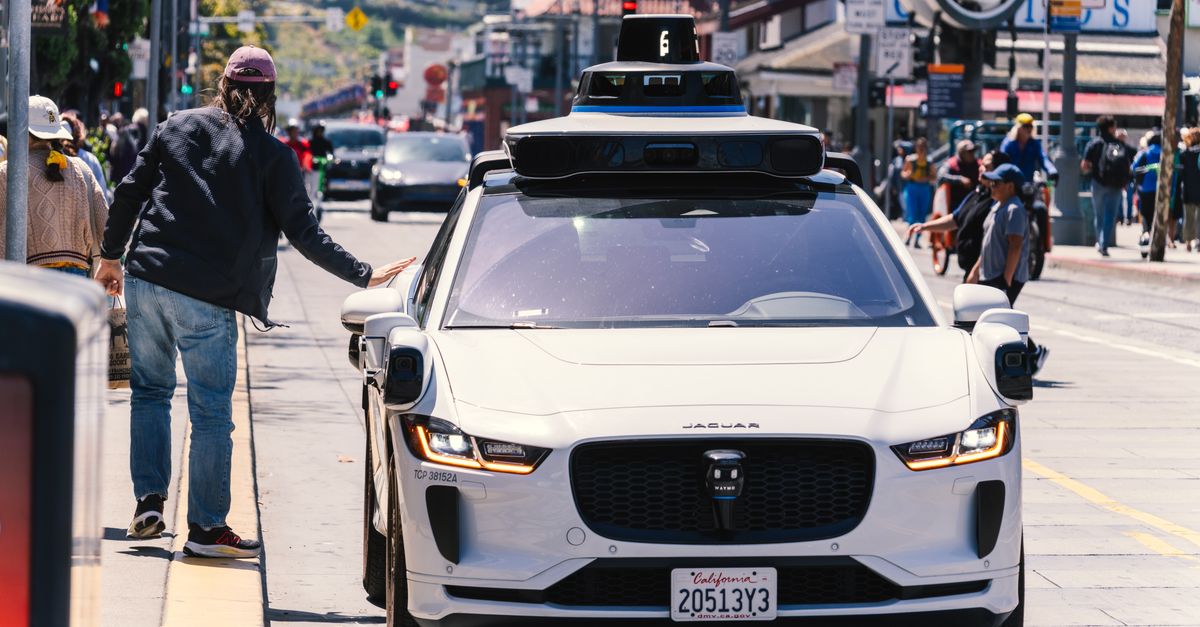
The San Antonio launch puts Tesla in direct competition with Waymo, a subsidiary of Alphabet, which already operates its Ojai-branded robotaxi service in multiple Texas cities including Austin, Dallas, Houston, and San Antonio. Waymo recently restarted its San Antonio operations after a five-month pause that followed incidents where its vehicles became stuck after entering flooded roadways.
The scale of Tesla’s operations varies significantly across different markets. According to Texas vehicle registration data, Tesla has registered more than 400 autonomous vehicles in its Austin fleet, making it the company’s largest robotaxi operation. However, the company’s presence in other cities is considerably smaller, with just 24 vehicles operating in Fort Worth and only 5 in Miami.
Tesla’s fleet consists of two types of vehicles: the gold, two-seater Cybercab and modified Model Y vehicles. The company typically follows a cautious expansion strategy, starting with a limited number of vehicles operating in a confined service area before gradually expanding coverage.
Beyond its autonomous operations in Texas and Florida, Tesla also runs a human-driven ride-hailing service in the San Francisco Bay Area. Despite the robotaxi branding often associated with this service, the vehicles are operated by human drivers behind the wheel. Tesla currently does not hold the necessary permits to operate a driverless ride-hailing service in California.
The expansion into San Antonio comes despite some signs of operational challenges. Data released by Tesla showed that its robotaxi network drove fewer miles with paying customers in the second quarter of 2026 compared to the first quarter, suggesting the company may be facing headwinds in building ridership even as it expands geographically.